Is Great Hospitality a Thing of the Past?

Updated: Oct 15
March 12, 2025 by Chip Fleming | Real Estate Development
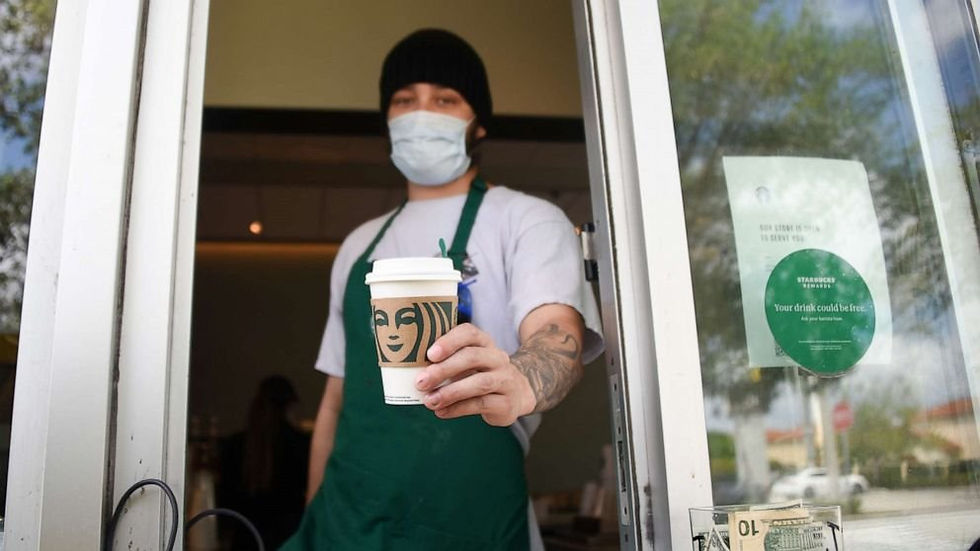
Across restaurants, hotels and retail spaces, personal service is steadily giving way to kiosks, apps and self-checkout. Changes made in the name of speed and efficiency, and many of them do make things easier. But as more of the human side of service disappears, it raises a real question: is great hospitality a thing of the past?
WHAT IS GREAT HOSPITALITY?
Great hospitality is more than good service. It’s the art of making people feel welcome, valued and cared for in a way that feels effortless. In Unreasonable Hospitality, Will Guidara describes it as going beyond what a guest needs to create moments they didn’t expect and won’t forget. When it’s done well, it turns an ordinary visit into a memorable one, and it’s often the difference between a place you visit once and a place you return to again and again.
WHEN CONVENIENCE FALLS SHORT
I recently had a three-hour layover and saw it as the perfect chance to enjoy a good meal before my next flight. I sat down at a full-service restaurant and found there were no servers, only screens. The host pointed me to a kiosk and said, with real enthusiasm, “Just order from one of these. Really cool, right?”
For someone with celiac disease, it wasn’t cool at all. Being able to speak with a knowledgeable staff member isn’t a luxury for me but a necessity. I need to know not only what’s gluten-free but how it’s prepared, what oil it’s cooked in and whether there’s a risk of cross-contamination. Those details decide whether I enjoy the meal or spend the next several hours feeling miserable. With no one to ask, I had to take a gamble.
The irony? In an effort to make things easier and faster, the experience became frustrating and completely impersonal. Technology didn’t just strip away the most important part of hospitality—it eliminated it entirely.
LOCAL BUSINESSES GETTING IT RIGHT
While many businesses are racing toward automation, there are those that stand out by leaning into hospitality. These places understand that thoughtful, in-person interactions aren’t just "nice to have"—they're essential.
Take Moniker General in San Diego, for example. Their founder once described hospitality as "thinking of you before you got here." And it shows. From the warm greeting at the door to the carefully curated details that make the space feel like an extension of your own living room, Moniker doesn’t just serve great coffee—it creates a warm, inviting experience.
Consortium Holdings, another San Diego standout, elevates hospitality through meticulous attention to detail. Every restaurant, bar and hotel they open—from the lighting to the music to the way the menu is presented—is designed to make you feel something. You’re not just ordering a drink; you’re stepping into a world carefully crafted for deeper connection. Their spaces intentionally remove distractions like televisions, encouraging guests to be fully present—off their screens and immersed in the carefully crafted experience before them. In an era of constant digital noise, this is a rare and valuable gift, a reminder of the richness of real-life connections and the transformative power of true hospitality.
What makes these places special is their ability to anticipate needs before a guest even expresses them. In Unreasonable Hospitality, Will Guidara emphasizes that the best hospitality is proactive, not reactive. Great establishments aren’t just responding to customer requests; they’re curating moments that leave a lasting impression. This philosophy extends beyond restaurants—it applies to any business that wants to stand out in an increasingly automated world.
WHY HOSPITALITY MATTERS MORE NOW
Despite (or perhaps because of) the rise of digital-first businesses, the demand for meaningful, in-person experiences is growing. People don’t just want convenience, they crave connection. Hospitality is about anticipating needs, exceeding expectations, and making people feel seen, valued, and taken care of. And in today’s increasingly digital world, this is a massive opportunity.
Simon Sinek, a thought leader on leadership and human connection, argues that the best businesses aren’t just selling products or services—they're building a sense of belonging. Hospitality isn’t just about making a sale; it’s about making people feel like they matter. Businesses that lead with this mindset foster deep loyalty because they understand that customers aren’t just transactions—they’re people seeking meaningful experiences.
Danny Meyer, another hospitality visionary, once said, "Business, like life, is all about how you make people feel." That simple truth is more relevant than ever. Businesses that double down on hospitality, rather than strip it away, will create more than just satisfied customers. They’ll build loyal communities. They’ll be the places people return to, not because they have to, but because they want to.
Technology will continue to shape the way we interact with the world. But hospitality—the art of making people feel welcome, appreciated, and cared for—will always matter. The businesses that recognize this and prioritize exceptional, human-first experiences won’t just survive in an era of impersonal convenience—they’ll rise above the noise and stand out in a sea of commodities.
Great hospitality isn’t a thing of the past. It’s the ultimate differentiator for businesses that refuse to be ordinary.